
Responsible gambling tips for maintaining balance in gaming habits
Understanding Responsible Gambling
Responsible gambling refers to the practice of gambling in a way that ensures it remains enjoyable and does not negatively impact one’s life. It involves recognizing the signs of problematic gambling behaviors and taking proactive steps to prevent them. Gamblers should be aware of their motivations for playing, whether for entertainment, social interaction, or financial gain. By understanding the reasons behind their gaming habits, individuals can better control their actions and avoid harmful patterns. Many players consider exploring options such as an online casino not on gamstop to maintain variety in their gaming experiences.
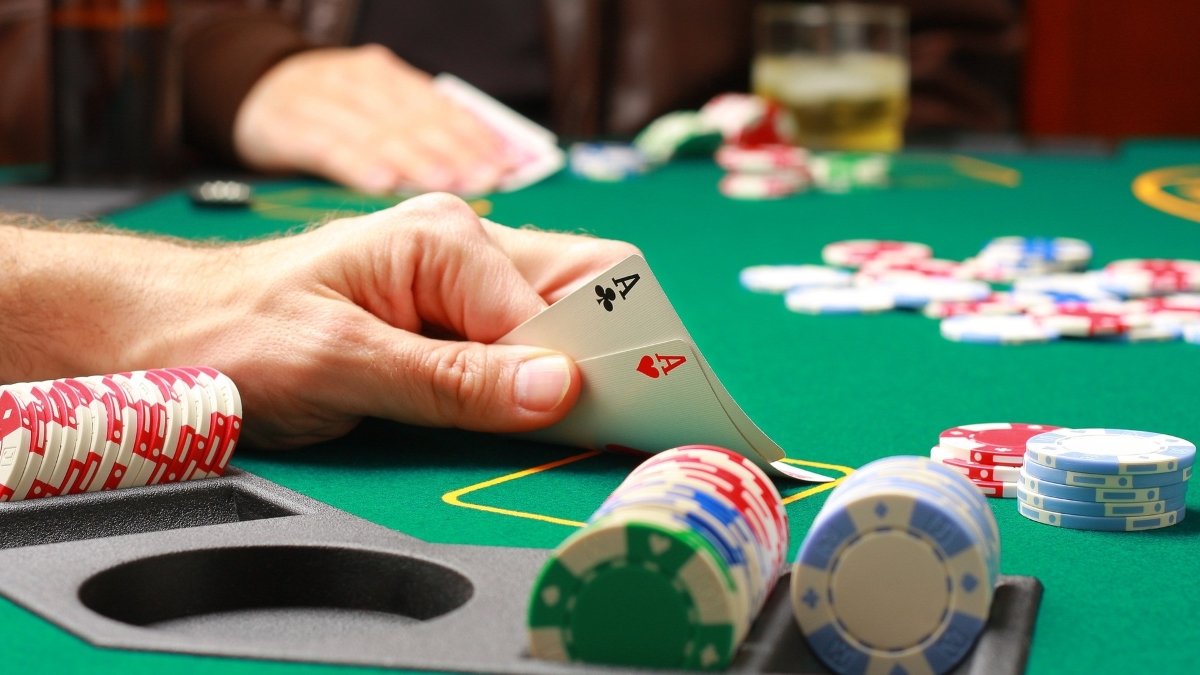
Education plays a vital role in responsible gambling. Individuals should familiarize themselves with the odds and rules of the games they play. By understanding the risks involved, players can make informed decisions and manage their expectations. This awareness can empower gamblers to recognize when to step back and assess their gaming habits critically.
Setting Financial Limits
One of the most effective strategies for maintaining balance in gaming habits is setting strict financial limits. Before engaging in any gambling activity, players should determine how much money they can afford to spend without impacting their essential expenses. This budget should be strictly adhered to, ensuring that gambling remains a form of entertainment rather than a source of financial strain.
Players should also consider using tools that many online gaming platforms offer to set deposit limits, loss limits, or session time limits. These tools can help gamblers stay within their predetermined budgets, reducing the temptation to overspend. Establishing these boundaries not only fosters a healthy gaming environment but also encourages a more enjoyable experience.
Time Management in Gaming
Time management is crucial when it comes to responsible gambling. Players should establish specific time frames for their gaming sessions to avoid excessive play. By setting a timer or scheduling regular breaks, individuals can prevent gaming from taking over their day-to-day lives and ensure that it remains a recreational activity.
Additionally, it’s beneficial to engage in other hobbies or social activities outside of gambling. This diversification helps to keep life balanced and fulfilling, reducing the risk of developing an unhealthy attachment to gaming. Balancing gaming with other interests can enhance overall well-being and contribute to a more positive gambling experience.
Recognizing Signs of Problematic Gambling
Awareness of the signs of problematic gambling is essential for maintaining balance. Individuals should be on the lookout for behaviors such as gambling to escape stress, lying about gambling habits, or chasing losses. Recognizing these signs early can prevent more severe issues from developing.
If players find themselves regularly experiencing feelings of guilt or anxiety related to their gambling activities, it may be time to reassess their habits. Seeking support from friends, family, or professional resources can provide additional guidance and strategies for managing gambling behavior effectively.

Exploring Resources for Responsible Gambling
There are numerous resources available for individuals seeking to maintain responsible gambling habits. Many gaming platforms offer information and tools that promote safer gaming practices. Players can access help through support groups, counseling services, and educational materials that focus on responsible gambling.
By taking advantage of these resources, individuals can enhance their understanding of responsible gambling and better navigate their gaming experiences. It is essential to remember that gambling should always be a fun and entertaining activity, and seeking help is a sign of strength and a step towards a balanced approach to gaming.

Leave a Reply